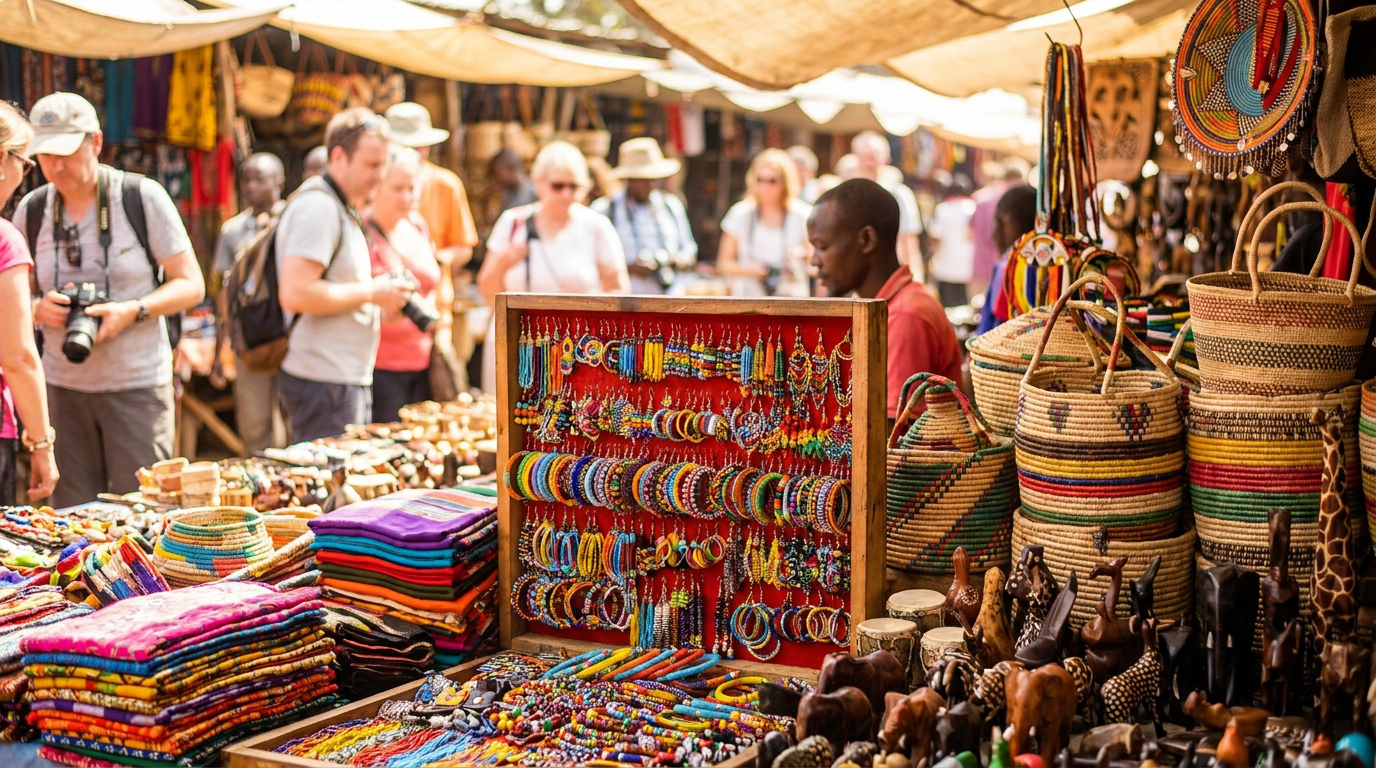
For centuries, the Maasai community of Kenya and Tanzania has been recognized for its vibrant beadwork traditions. Long before colonial borders existed in East Africa, Maasai women used beads to tell stories about identity, age, social status, and community belonging.
Originally, natural materials such as clay, seeds, shells, bones, copper, and ivory were used before glass beads arrived through trade routes connected to the Indian Ocean. Over time, beadwork evolved into one of East Africa’s most recognized artistic traditions.
years of experience in the Art industry
0
Exhibitions Attended
+0
Happy Clients
+0M
customers recommend our brand to their friends
0%
Today, Maasai bead artisans continue preserving these techniques while adapting them for modern fashion. Necklaces, earrings, belts, sandals, and decorative accessories now appear on global fashion runways while still maintaining deep cultural meaning.
In many rural Kenyan communities, beadwork has become more than art — it is economic empowerment. Women’s cooperatives across Kajiado, Narok, and Samburu counties earn income that supports school fees, healthcare, and household needs.
Organizations and artisan groups have helped women access international markets while preserving authentic craftsmanship passed down through generations..
The story of Maasai beadwork is not just about fashion. It is about resilience, heritage, and the power of women-led creativity in East Africa.