As global consumers become more conscious about sustainability, handmade African products are gaining international recognition.
Unlike mass-produced fast fashion, handmade products often use:
In Kenya, artisans create products using locally sourced materials such as sisal, leather, beads, recycled brass, and cotton.
On order Globally
Buy With Confidence & Security
Eco-Friendly Packaging
We guarantee our products
Supporting handmade businesses helps:
Sustainable fashion is not a new concept in Africa. For generations, communities created durable handmade products designed to last for years.
Today, the world is rediscovering the value of intentional craftsmanship.
Organizations and artisan groups have helped women access international markets while preserving authentic craftsmanship passed down through generations..
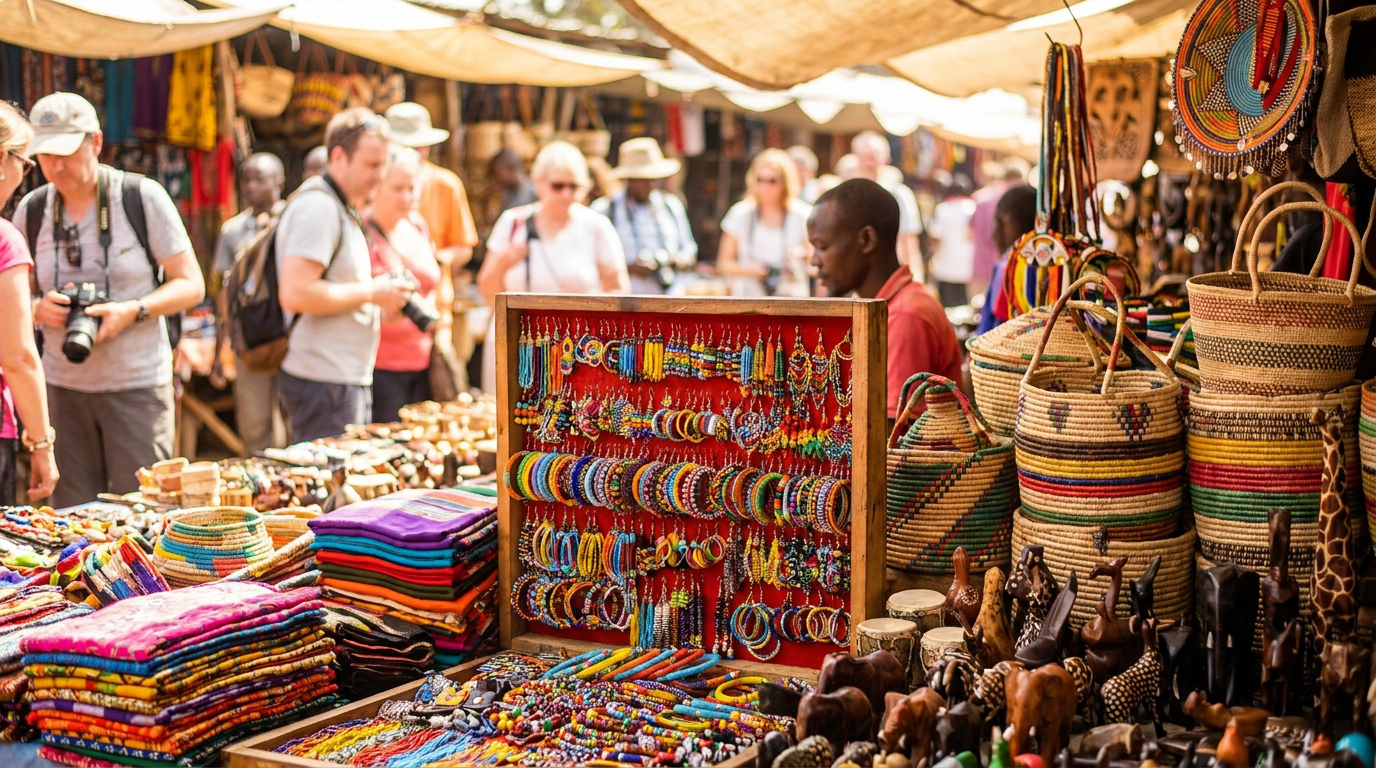
For travelers visiting Kenya, Maasai Markets offer more than shopping — they provide a window into East African creativity and culture.
Held across Nairobi and other towns throughout the week, these open-air markets bring together artisans from different Kenyan communities.
On order Globally
Buy With Confidence & Security
Eco-Friendly Packaging
We guarantee our products
Visitors can discover:
Many products are handmade by women-led cooperatives and small-scale artisans who rely on tourism and craft sales for income.
Buying directly from artisans helps preserve traditional craftsmanship while supporting local communities.
For many visitors, the experience becomes one of the most memorable parts of exploring Kenya.
Organizations and artisan groups have helped women access international markets while preserving authentic craftsmanship passed down through generations..
In many African communities, jewelry has always represented more than decoration.
Across East Africa, beads, metals, shells, and natural materials were traditionally used to communicate social identity, spirituality, marital status, and community belonging.
On order Globally
Buy With Confidence & Security
Eco-Friendly Packaging
We guarantee our products
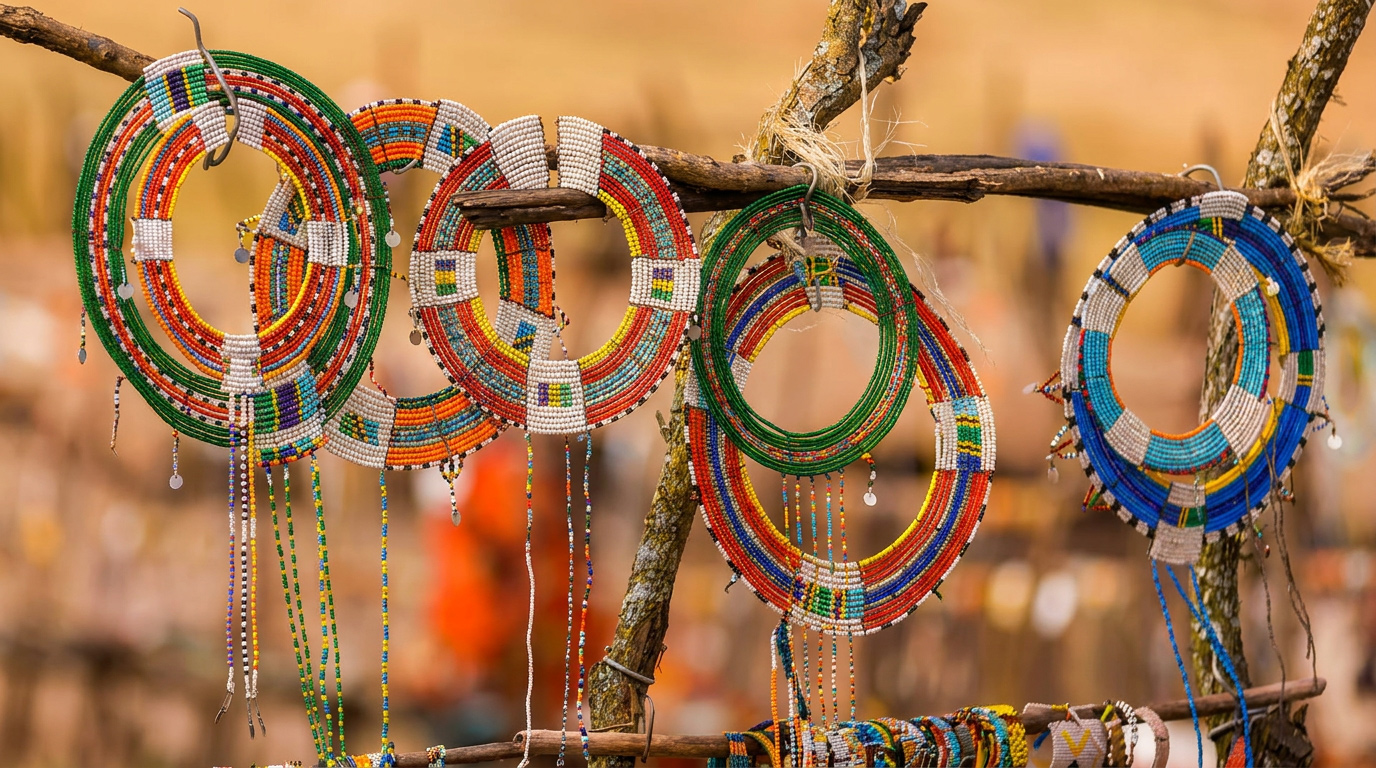
Among the Samburu and Maasai communities, color symbolism remains especially important:
Handmade jewelry continues preserving these meanings while evolving into modern fashion statements.
Organizations and artisan groups have helped women access international markets while preserving authentic craftsmanship passed down through generations..
Today’s artisans combine traditional craftsmanship with contemporary design to create pieces that honor African identity while appealing to global audiences.
Each handmade accessory tells a story rooted in culture, history, and artistic expression.
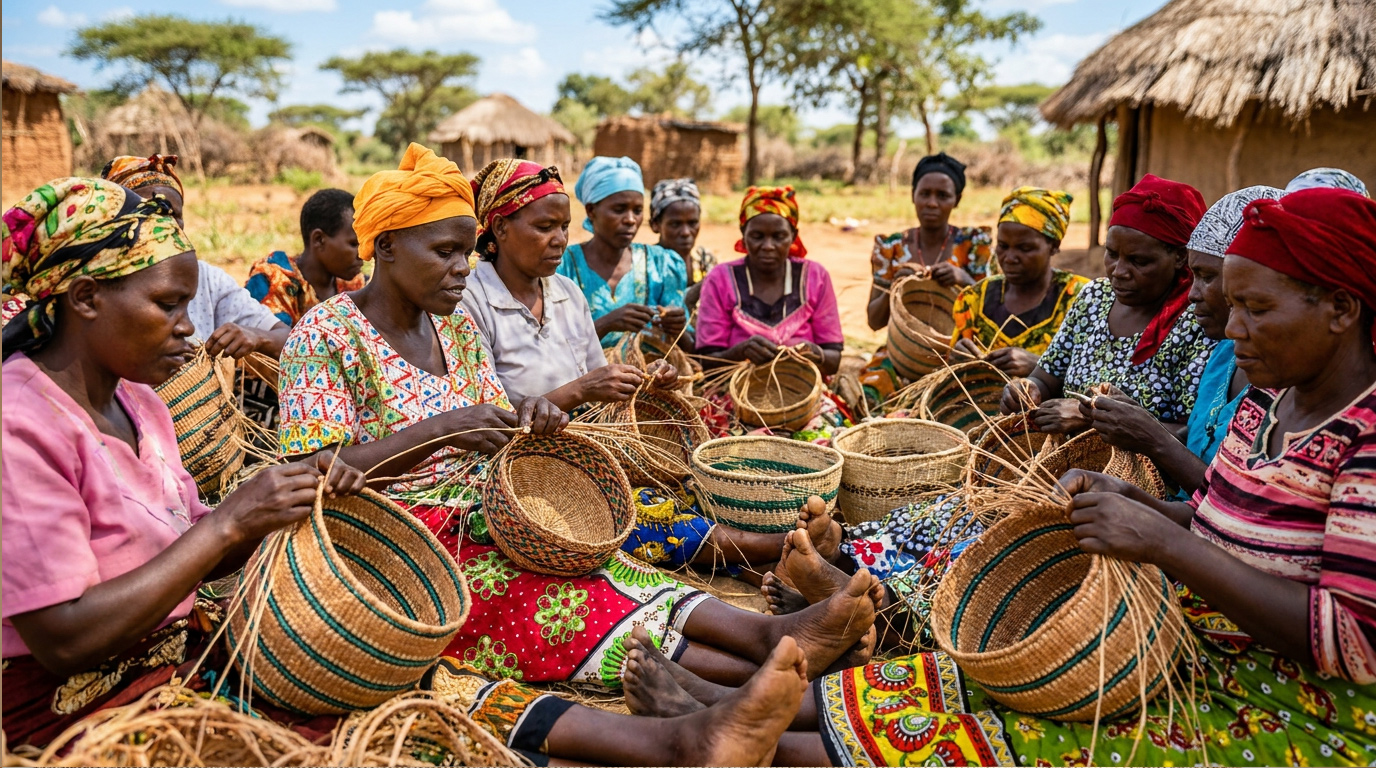
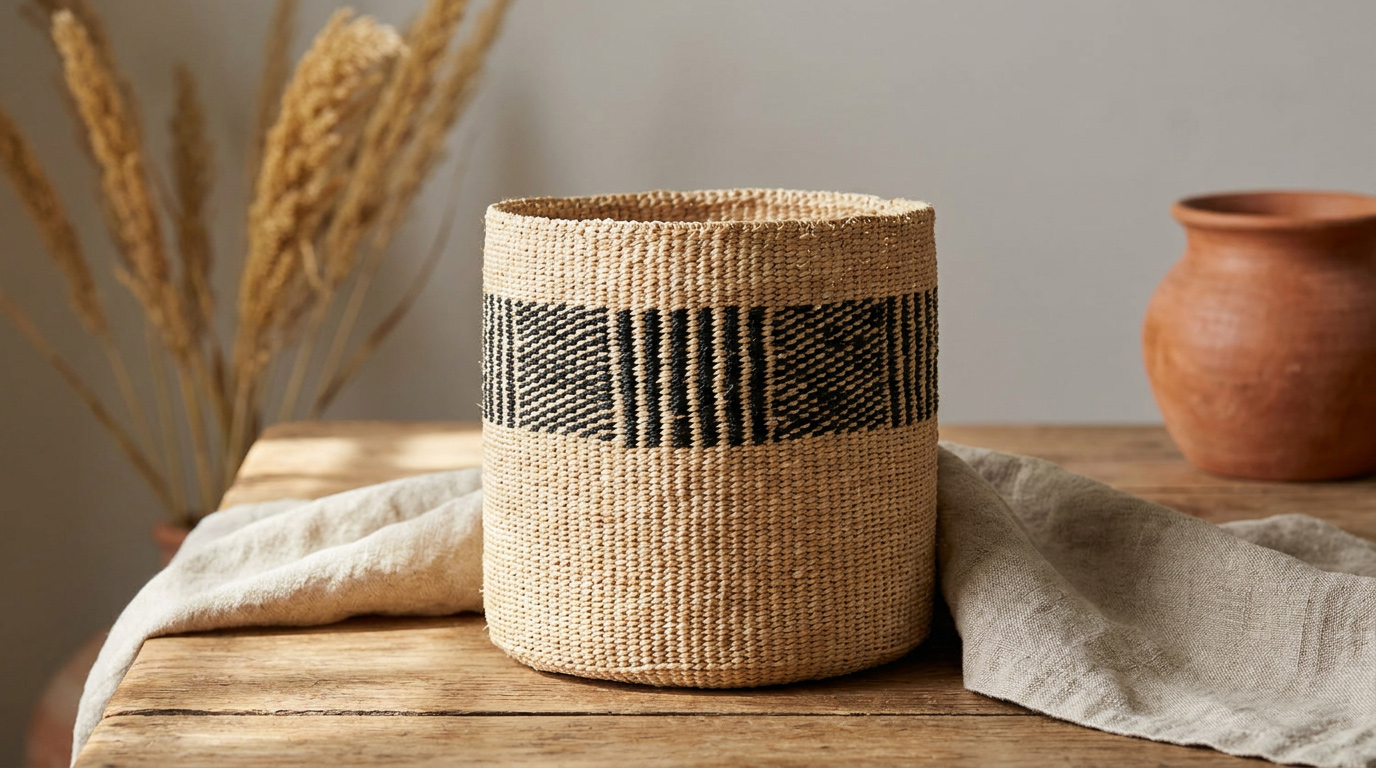
The kiondo basket is one of Kenya’s most iconic handmade products.
Traditionally woven by Kikuyu and Kamba women, kiondos were originally designed as practical market and storage baskets made from sisal fibers and leather.
On order Globally
Buy With Confidence & Security
Eco-Friendly Packaging
We guarantee our products
For generations, women gathered together to weave baskets while sharing stories, songs, and community knowledge. The skill was passed from mothers to daughters as part of everyday life.
Organizations and artisan groups have helped women access international markets while preserving authentic craftsmanship passed down through generations..
Today, kiondos are appreciated around the world for their durability, sustainability, and timeless aesthetic. They are used as:
Modern artisans continue blending traditional weaving techniques with contemporary colors and patterns, creating products that connect heritage with modern living.
Every handmade kiondo carries generations of craftsmanship within its woven fibers.
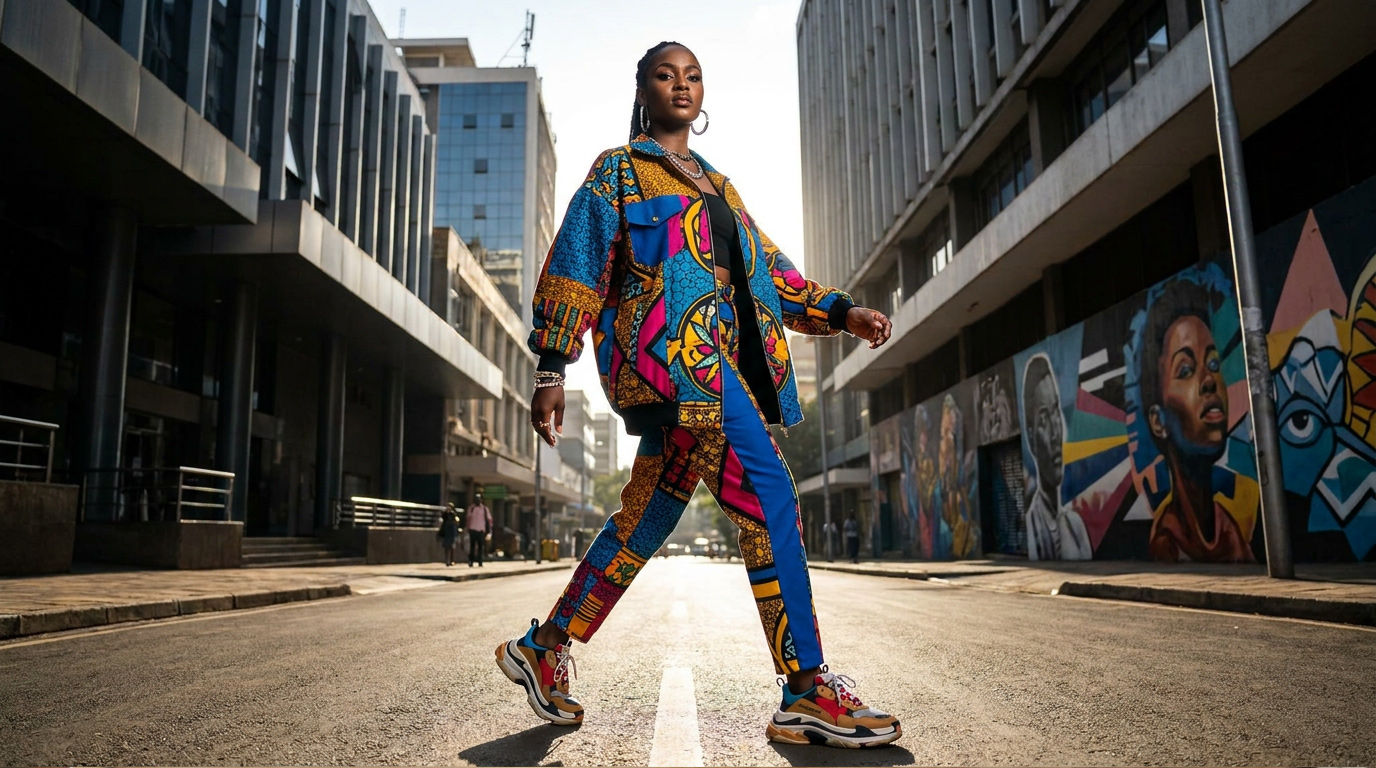
Ankara fabric has become one of the most influential fashion trends across Africa, including Kenya’s growing streetwear scene.
Although Ankara wax prints are historically linked to West Africa, Kenyan designers have embraced the fabric to create modern urban fashion inspired by African identity.
On order Globally
Buy With Confidence & Security
Eco-Friendly Packaging
We guarantee our products
In Nairobi, young creatives are blending Ankara prints with hoodies, sneakers, denim jackets, and oversized streetwear silhouettes. This fusion reflects a new generation that proudly embraces African heritage while shaping contemporary global fashion.
African fashion is no longer confined to traditional ceremonies. It is becoming part of daily self-expression.
Organizations and artisan groups have helped women access international markets while preserving authentic craftsmanship passed down through generations..
Kenyan fashion designers are increasingly showcasing locally inspired collections that celebrate:
The rise of African streetwear signals a cultural shift where African creativity is being recognized worldwide.
.
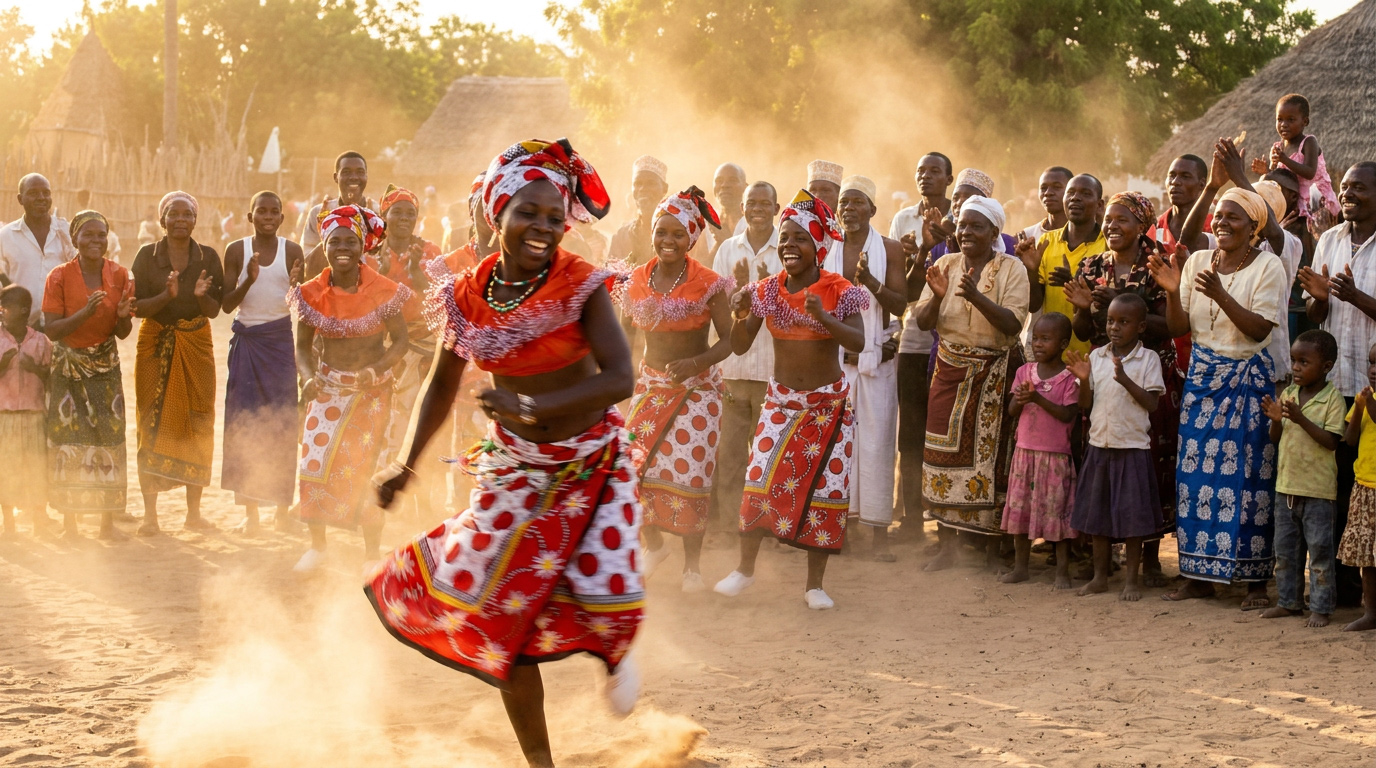
Across Kenya, artisan markets have become powerful centers of economic empowerment for women.
From Nairobi’s Maasai Market to community cooperatives in Kisii, Turkana, and Mombasa, thousands of women rely on handmade crafts to support their families. These markets provide income opportunities that are often more accessible than formal employment, especially in rural communities.
On order Globally
Buy With Confidence & Security
Eco-Friendly Packaging
We guarantee our products
Many women artisans create beadwork, woven baskets, kiondo bags, leather sandals, textiles, pottery, and carvings using traditional skills inherited through generations.
The rise of tourism and global interest in African handmade products has expanded opportunities for local artisans. Fair trade initiatives and online marketplaces now allow Kenyan women to sell directly to international customers.
Organizations and artisan groups have helped women access international markets while preserving authentic craftsmanship passed down through generations..
This financial independence has transformed communities:
Artisan markets are proving that culture and commerce can work together to create sustainable futures.
For centuries, the Maasai community of Kenya and Tanzania has been recognized for its vibrant beadwork traditions. Long before colonial borders existed in East Africa, Maasai women used beads to tell stories about identity, age, social status, and community belonging.
Originally, natural materials such as clay, seeds, shells, bones, copper, and ivory were used before glass beads arrived through trade routes connected to the Indian Ocean. Over time, beadwork evolved into one of East Africa’s most recognized artistic traditions.
Today, Maasai bead artisans continue preserving these techniques while adapting them for modern fashion. Necklaces, earrings, belts, sandals, and decorative accessories now appear on global fashion runways while still maintaining deep cultural meaning.
In many rural Kenyan communities, beadwork has become more than art — it is economic empowerment. Women’s cooperatives across Kajiado, Narok, and Samburu counties earn income that supports school fees, healthcare, and household needs.
Organizations and artisan groups have helped women access international markets while preserving authentic craftsmanship passed down through generations..
The story of Maasai beadwork is not just about fashion. It is about resilience, heritage, and the power of women-led creativity in East Africa.